
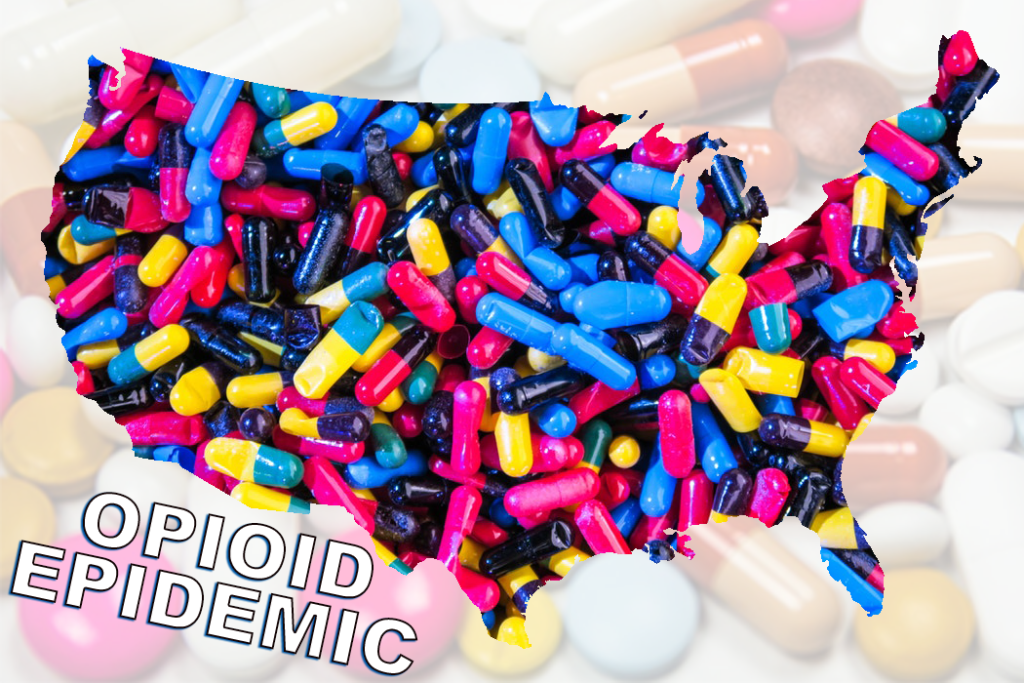
One hundred forty-two Americans die every day in America from drug overdoses, according to the Centers for Disease Control (CDC). Overshadowing that staggering statistic, however, is perhaps a greater revelation. State and local government officials are allocating billions of dollars to fight what has become a true opioid epidemic in the United States. But, the return on investment is almost non-existent. According to the CDC, the number of opioid abuse cases has quadrupled in America since 1999.
No area of the country is immune to the crisis and state and public officials are trying a variety of approaches to try to curb the problem. There is only one common constant – they are all committing millions of dollars from already thin budgets and it is apparent that millions more will be needed.
The federal drug budget in the last five years has increased from $23.8 billion to $27.5 billion. Even with that large an increase in funding, the dollars don’t go far enough when the money trickles down to local communities.
Indiana is among the top 10 states with the worst drug problems. From 2003 to 2017, the state suffered $43.3 billion in economic damages as a result of the misuse of opioids.
In Virginia, the state is not only studying opioid addiction, but the associated issues such as unemployment and homelessness that result from addiction. Legislators allocated $5.2 million for 2017 and $16.8 million for 2018 to address these problems.
 Virginia officials are treating opioid abuse as a public health issue and making treatment the critical component to the solution. The state has incorporated Medicaid into the equation and has been able to increase reimbursement rates to providers who treat addiction.
Lawmakers also established new Medicaid guidelines for prescriptions for pain medications and put in place rules and more approval requirements for issuing long-term prescriptions. Other states also are monitoring and regulating the issuance of opioid prescriptions.
Hundreds of state, municipal and county governments are finally imploring major pharmaceutical companies to shoulder some of the costs. Lawsuits have been filed seeking reimbursement for costs related to the opioid epidemic. Public officials want relief similar to what was ordered in the 1998 tobacco settlement. Those settlements resulted in an order that forced cigarette makers to reimburse states for more than $200 billion over 25 years because of health care costs that were incurred due to smoking-related illnesses.
States active in seeking relief include New Mexico, where the state has filed a lawsuit against opioid manufacturers and distributors for contributing to the drug addiction problem there. Santa Fe and Mora counties also filed suits, as did the Navajo Nation.
Texas and five other states this week were the latest to file court cases against one of those companies. Texas filed a consumer protection lawsuit against a pharmaceutical firm for violating the Texas Deceptive Trade Practices Act regarding prescription opioids. The lawsuit accuses the company of deceptively marketing prescription painkillers that were known to be dangerous and potentially addictive. Texas, which is home to four of the nation’s top 25 cities for opioid abuse, spends about $20 billion per year on non-fatal opioid costs.
In addition to activity at the state and local levels of government, federal legislation was recently filed to allocate $100 billion in federal funds over 10 years to help manage the opioid epidemic. The bill is patterned after the 1990 Ryan White Comprehensive AIDS Resource Emergency Act, which increased funding to state and local governments to battle HIV and AIDS.
The bill would allocate approximately $4 billion to the states, territories and tribal governments for a period of 10 years. Of that amount, about $2.7 billion would be shared with counties and cities facing the worst opioid use problems. Another $1.8 billion would go to public health surveillance, $1 billion would be used to expand service delivery and another $500 million would help provide access to a drug that reverses an opioid overdose.
The nation’s opioid epidemic shows no signs of letting up and it will continue to require major investments of both human and financial resources at all levels of government. It’s time for collaborative efforts among government entities, pharmaceutical companies, medical professionals and other stakeholders to help eradicate opioid abuse and save lives. America deserves better than this!
SPI’s team of experienced procurement consultants have a long track record of identifying and winning public sector business. Contact them today!